
 Home
Home07 08 26
Solid Brass Hardware for Leathercraft: A Maker’s Guide
Choosing hardware is one of those leathercraft decisions that shows up right away in the finished piece. A bolt snap, ring, buckle, or fastener is not just the functional part. It affects how a bag hangs, how a strap moves, how a clip feels in the hand, and whether the finished product looks balanced from top to bottom.
Solid Brass Hardware That Earns Its Place on the Finished Product
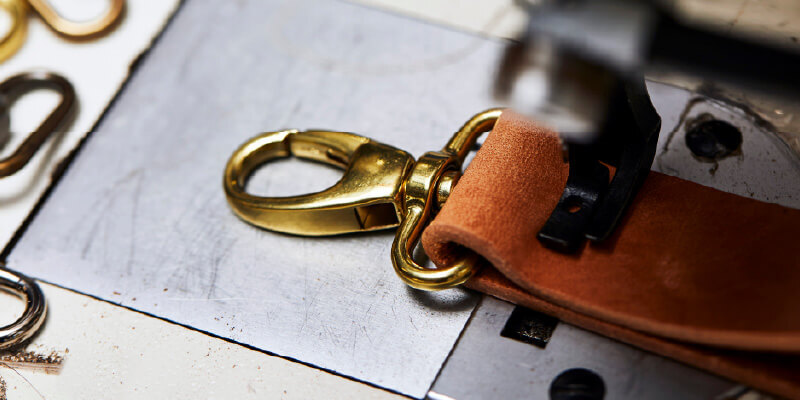
Solid brass hardware is used anywhere a leather good needs a strong, practical, good-looking connection point. You will find it on handbags, briefcases, dog leashes, belts, key clips, straps, closures, and small accessories. To use it well, let the project speak first. Start with the job the hardware needs to do, then choose the size, movement, finish, and matching pieces around that function.
What Is Solid Brass Hardware?
Solid brass hardware is metal hardware made from brass rather than plated steel, zinc alloy, or hollow materials. In leathercraft, it is commonly used for working parts such as bolt snaps, buckles, D-rings, O-rings, snap hooks, rivets, and other fasteners.
Solid brass has a substantial feel in the hand, which makes it a practical choice for finished leather goods where both function and appearance matter. It is especially useful on pieces that are handled often, such as bag straps, leash clips, key rings, and closures.
Buckleguy makes and supplies low-lead solid brass hardware for makers who want hardware that feels considered, not added as an afterthought. The goal is not just to attach two parts together. The goal is to make the finished piece work better as a whole.
Hardware Is a Working Detail
Leather has weight, structure, grain, and movement. Hardware has to work with all of that.
On a finished product, hardware helps decide:
- Where a strap bends
- How a closure sits
- How a clip opens
- How a bag hangs
- How the item feels during daily use
- How finished and intentional the piece looks
That is why hardware selection is practical before it is decorative. A clean finish is nice. A beautiful shape is nice. But if the clip is too small for the strap or the ring does not suit the movement of the bag, the hardware will feel out of place.
Start With the Job
Before choosing a finish, style, or size, ask one question: what does this hardware need to do?
Is it clipping to a ring? Anchoring a strap? Rotating during use? Adjusting length? Fastening a pocket? Holding a handle? Connecting a leash?
The function should lead the selection. A detachable shoulder strap moves differently than a structured briefcase handle. A dog leash clip is handled often and needs smooth operation. A compact key clip needs to open cleanly without overpowering a small leather tab. Same workbench, different little engineering meetings.
Once the job is clear, the rest of the decision becomes easier.
Choosing Bolt Snaps by Project Type
Bolt snaps are popular in leathercraft because their purpose is easy to understand. The gate opens, the clip attaches, and the hardware becomes part of the working design.
Swivel bolt snaps add rotation, which is useful on projects that move, twist, or detach often.
Bags and Detachable Straps
For shoulder straps, crossbody straps, and removable handles, swivel bolt snaps are often a smart choice. A bag strap rarely stays perfectly flat during use. It shifts when the wearer moves, adjusts the bag, or takes it on and off.
A swivel allows the strap to turn instead of fighting the attachment point. That small movement can make the finished piece feel more natural on the shoulder and in the hand.
Pay close attention to strap width. If the snap is too narrow, the strap may look squeezed. If the snap is too large, the hardware may dominate the design instead of supporting it.
Dog Leashes and Pet Accessories
Leash hardware is handled constantly, so feel matters. The clip should open smoothly, feel substantial, and suit the width and weight of the leather or webbing.
For pet accessories, look at the full system: leather, stitching, rivets, rings, and clip hardware. Each part should feel like it was chosen for the same project. A strong leash with undersized hardware looks unfinished. Oversized hardware on a narrow leash can feel clumsy.
The right hardware sits in the middle: secure, balanced, and ready for the daily walk.
Briefcases and Structured Goods
Structured leather goods usually have cleaner, more formal lines. On briefcases, satchels, and business cases, the eye notices small differences around handles, closures, and strap attachment points.
Here, consistency matters. Matching finish and visual weight across the hardware set gives the piece a more deliberate look. The hardware should feel orderly and confident.
Key Clips and Small Accessories
Small accessories leave very little room for imbalance. A key clip, wristlet, or pouch attachment needs hardware that opens cleanly and feels reliable without crowding the design.
Think of hardware on small goods as punctuation. Useful, visible, and not trying to write the whole sentence.
Match Size to Strap Width and Leather Weight
Strap width is one of the easiest ways to narrow hardware choices. The inside width of the hardware should relate cleanly to the strap it carries.
If the hardware is too tight, the leather may bunch, pinch, or sit unevenly. If it is too loose, the strap may shift more than intended or look unfinished.
Leather weight matters too. A firm strap on a structured bag can usually carry a more substantial hardware presence than a soft, narrow strap on a small pouch. A heavy buckle may look right on a sturdy belt but feel excessive on a slim accessory strap.
The goal is not to make every part the same size. The goal is to make every part look like it belongs.
Swivel or Fixed: Let Movement Decide
Use swivel hardware when rotation is part of normal use. Detachable straps, clip-on handles, leash-style projects, and items that twist during handling often benefit from a swivel connection.
Use fixed hardware when the attachment point should stay in one orientation. Fixed hardware can keep a design cleaner when movement is not needed.
This decision should come from how the finished item will behave off the bench. A project may look tidy in a product photo, but daily use tells the full story.
If the strap wants to turn, let it turn. Hardware that fights movement rarely looks graceful.
Build a Hardware Set, Not a Pile of Parts
Bolt snaps, buckles, rings, rivets, and fasteners rarely work alone. They usually function as a set, so it helps to choose them together.
Consider how these pieces relate:
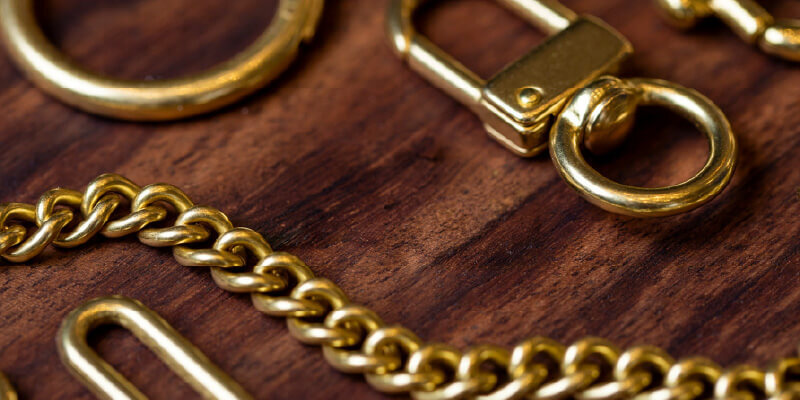
- D-rings: Attachment points for straps, handles, and clips
- O-rings: Rounded connection points with a softer visual shape
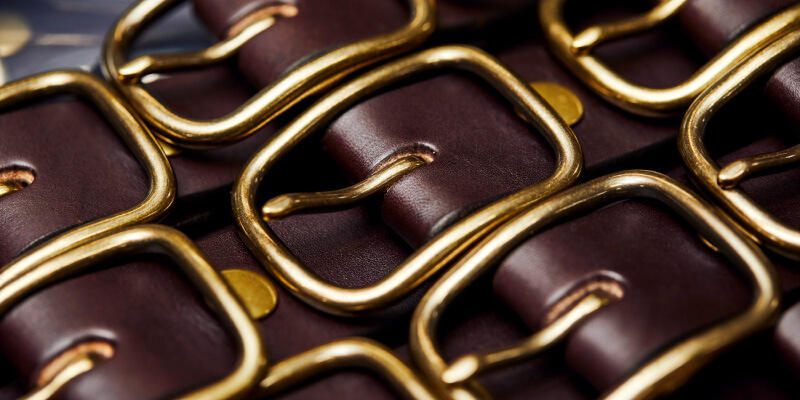
- Buckles: Adjustable hardware for belts, straps, and closures
- Rivets: Fasteners for tabs, reinforcements, and connection points
- Snaps: Closures for pockets, flaps, and small leather goods
The pieces do not all need to be the same size, but they should feel related. Compare finish, shape, visual weight, and function before ordering. A bag with five different hardware personalities can start to look like it was assembled by committee.
A thoughtful hardware set makes the final piece feel planned.
Use Finish to Set the Character
Finish changes the mood of a leather good.
Natural brass has a classic brightness that works well with traditional leathercraft styles. Antique brass adds a warmer, aged character. Nickel plate reads cleaner and more polished. Nickel matte gives a quieter, more understated effect.
When choosing a finish, consider:
- Leather color
- Product style
- Other hardware on the piece
- Expected use
- The overall character of the finished good
Warm brass finishes often pair well with natural, tan, brown, and heritage-style leathers. Nickel finishes often suit black, gray, navy, and modern designs.
Not every finish is available for every hardware style, so compare options by project. The best finish is the one that works with the leather, the hardware set, and the maker’s intended result.
What Solid Brass Brings to the Bench
Solid brass has a material presence that makers can feel. It offers a substantial hand, material consistency, and corrosion resistance that suit finished leather goods where appearance and long-term use both matter.
That does not mean every project needs the largest or heaviest hardware available. It means the hardware should match the purpose of the piece. A small leather good may call for compact solid brass hardware. A larger bag or leash may call for something more substantial.
Buckleguy produces low-lead solid brass hardware in its own factory and supplies makers, small businesses, and manufacturers. That manufacturing background matters because leatherworkers notice practical details: clean movement, consistent finishes, and hardware forms that suit the project instead of forcing the project to adapt.
A Workbench Checklist Before You Order
Before choosing solid brass hardware, run through these questions:
- What type of project are you making?
- How will the finished item be handled?
- Does the hardware need to clip, swivel, fasten, adjust, or anchor?
- Does the inside width suit the strap width?
- Does the hardware weight match the leather?
- Will the finish coordinate with the other parts?
- Are you choosing a full hardware set rather than one piece at a time?
That checklist keeps the decision practical. Good hardware choices usually come from understanding the finished product before choosing the part.
Frequently Asked Questions
What is solid brass hardware used for in leathercraft?
Solid brass hardware is used for functional and decorative details on finished leather goods. Common examples include bolt snaps, rings, buckles, rivets, closures, strap adjusters, and clip hardware.
When should I use swivel bolt snaps?
Use swivel bolt snaps when the strap or attachment point needs to rotate during normal use. They are especially useful for detachable bag straps, clip-on handles, leashes, and projects that move frequently.
How do I match hardware size to strap width?
Start with the inside width of the hardware. The strap should sit cleanly without being squeezed, but it should not have so much extra room that the connection looks loose or unfinished.
What finish should I choose for leather bags?
Choose a finish that coordinates with the leather and surrounding hardware. Brass finishes often feel warmer and more traditional, while nickel finishes tend to look cleaner and more modern.
Does all hardware on a project need to match?
Not always, but it should look intentional. Matching finishes is often the safest route, especially on structured goods. Mixed finishes can work when they are part of a clear design choice.
Choose Hardware That Works With the Craft
The right hardware should make a finished leather piece feel complete, not merely decorated. Before choosing by appearance alone, think through the project’s function, movement, strap width, leather weight, finish, and the way each part will be handled.
Buckleguy carries solid brass hardware, including bolt snaps, swivel bolt snaps, D-rings, buckles, leather snaps, rivets, and related leather working supplies for makers who want hardware that fits the craft.
Explore the available options at buckleguy.com, compare the parts as a full hardware set, and choose the pieces that help the finished product work as well as it looks.